

Universities adopt real-time AI translation amid policy gap
Thu, 16th Apr 2026.webp)
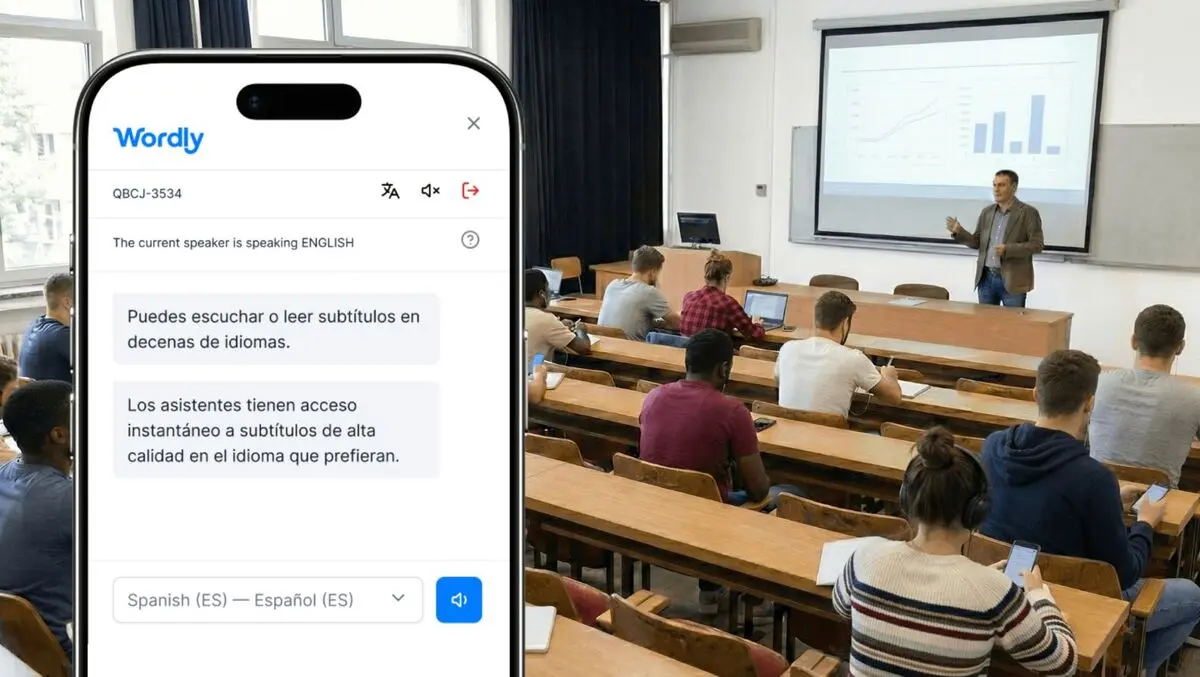
Universities are adopting real-time AI translation and captioning tools for teaching and campus events, according to Wordly. Survey findings from Gallup and California State University suggest AI use is now common among higher education students.
Research cited by Wordly found that 57% of students use AI tools at least weekly, while more than half said their institutions lacked clear guidance on AI or had unclear policies for academic use. The figures point to a gap between the speed of student adoption and the pace of institutional rule-setting.
That gap is shaping how universities use AI in day-to-day teaching and support services. Rather than focusing only on broad policy discussions, some institutions are turning to specific applications that address communication barriers in lectures, orientation sessions and administrative meetings.
Wordly provides real-time translation and captioning, which it says are being used in classrooms as well as parent-teacher conferences, school board meetings, graduations, tutoring sessions and staff training. The company argues that spoken-language access is becoming a more immediate issue as campuses serve larger multilingual communities.
The backdrop is a higher education sector with more than one million international students in the United States, alongside growing numbers of multilingual and first-generation learners. For these groups, language barriers can affect not only classroom comprehension but also access to broader campus life and institutional information.
One example is the University of Southern California, which uses real-time AI translation and captioning during orientation sessions for international students and families. The goal is to make key information available in multiple languages during important campus events.
Operational AI
The broader university debate has focused on generative AI tools for writing, research and assessment. The survey findings suggest student use is already widespread, even as institutions continue to develop formal rules, teaching guidance and acceptable-use standards.
That has shifted attention to narrower applications more directly tied to teaching access and student participation. Translation and captioning fall into that category because they address a defined problem: whether students can follow spoken material in real time.
"Higher education is entering a new phase where AI is becoming more operational," said Lakshman Rathnam, Founder and CEO of Wordly. "With more than one million international students in the United States and a growing number of multilingual learners, colleges are increasingly focused on ensuring all students can fully participate in the learning experience. More than half of students also report that their classes lack clear guidance on AI use, underscoring the need for clearer strategies as institutions adopt these technologies. Real-time translation and captioning are practical examples of how AI can directly improve access and participation in today's diverse classrooms."
For universities, the issue is not only formal accessibility but also student engagement. If students struggle to understand lectures, presentations or campus briefings as they happen, they may be less likely to ask questions, join discussions and retain information.
Policy gap
The data highlighted by Wordly adds to growing evidence that AI policy in higher education is evolving more slowly than student behaviour. While many universities have issued guidance on plagiarism, authorship and assessment integrity, the rollout of practical tools to support teaching has been more uneven.
Institutions therefore face two parallel tasks: setting governance for AI use and identifying applications that can be adopted for a clear educational purpose. Wordly is positioning translation and captioning as one of the more straightforward examples.
That approach also reflects a wider shift in education technology spending, with buyers increasingly looking for evidence of immediate use rather than speculative projects. Tools tied to lectures, student services and events can be easier to justify because they connect directly to routine university operations.
For universities with international recruitment strategies, communication support can also have commercial significance. Orientation, advising and family engagement are key moments in the student journey, and institutions have become more aware that language access can shape first impressions as much as formal teaching support.
Wordly describes itself as a provider of AI translation, live captions, transcripts and AI-generated summaries for meetings and events. Its products are used across corporate, non-profit, government, education and association organisations.
These comments come as higher education leaders continue to weigh how AI should be governed in classrooms while also deciding which uses can be introduced without waiting for a complete policy framework.