

Wayvia updates Shoppable platform to track retail sales
Fri, 17th Apr 2026.webp)
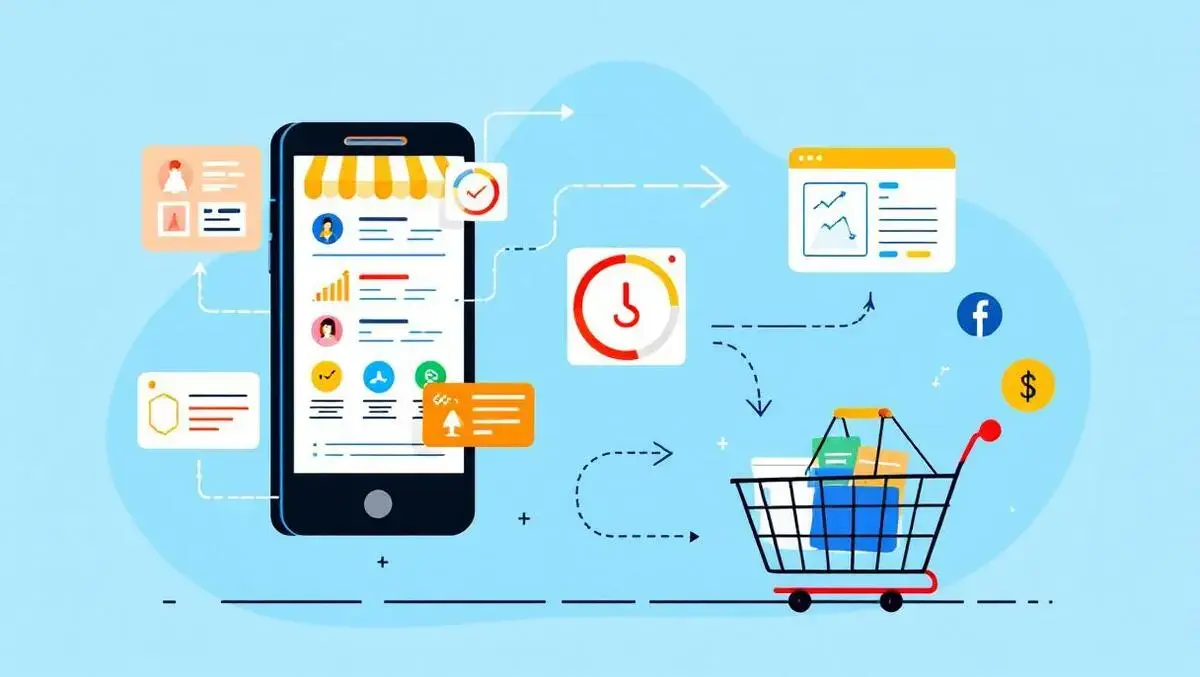
Wayvia has launched Shoppable Next Generation, an updated version of its shoppable media platform designed to link marketing activity more directly to confirmed retail sales data.
The product connects brand content across display advertising, social media and email to a purchase path that shows pricing and inventory from physical and online retailers. It also adds confirmed retail sales data from Wayvia's retailer network and a server-side integration with Meta's Conversions API.
The update addresses a long-running problem for consumer brands, which often manage media, social engagement and retail sales through separate systems. As AI tools increasingly shape product discovery, companies are under pressure to understand which channels lead to actual purchases rather than clicks or views.
Wayvia says its eCommerce technology is used by more than 2,000 brands, including P&G and L'Oréal, across thousands of retailers. The latest version of Shoppable is intended to help marketing teams measure campaign results in real time and adjust activity using confirmed purchase data.
Several additions are central to the update. The platform now offers three landing-page templates designed around common marketing goals: conversion, basket building and awareness. These templates map to campaign objectives already used in Meta Ads Manager.
One of the more significant changes is the Meta integration. When a shopper completes a purchase, the system can send a confirmed purchase signal back to the originating advertising platform on a server-side basis, giving brands a closer link between paid media spending and retail outcomes.
Wayvia has also added last-mile delivery options through Instacart and DoorDash within the shopping experience, alongside in-store and online retailer choices. Another feature, described as demand protection, is intended to reduce lost sales by showing in-stock size or variant alternatives when a selected product is unavailable at a particular retailer.
For brands running campaigns across multiple markets, the platform also introduces auto-localisation, allowing language, product content and market context to adapt automatically for local markets.
The launch comes as retailers, advertising platforms and consumer brands respond to changes in how shoppers find products online. AI-driven search, chatbots and recommendation tools are creating more fragmented paths to purchase, making attribution harder for marketers seeking to understand which messages and channels lead to sales.
Anthony Ferry, Chief Executive Officer of Wayvia, said the update reflects that shift. "The eCommerce environment for brands has never been more complex. AI is rewriting the path to purchase in real time, reshaping how consumers discover products, how they decide and where they buy," he said.
He said the company sees shopping opportunities appearing across a wider range of digital surfaces. "Shoppable Next Generation gives brands the tools they need for this new era where sales can happen on any surface, whether it's social media, in a chatbot or on a connected home device," Ferry said.
Shoppable Next Generation is available immediately. Wayvia, which describes its business as omnicommerce data and brand enablement, said the product forms part of a wider suite aimed at helping brands manage consumer journeys shaped by both automated systems and human decision-making.
Its broader pitch rests on data collected through retailer and media partnerships built over more than two decades. According to the company, that network gives brands access to retail intelligence for analytics, shopping journey management and AI-related applications.
In practical terms, the Shoppable update is a more direct attempt to tie media performance to retail transactions at a time when many marketers want clearer evidence of return on advertising spend. Wayvia's core claim is that purchase confirmation, rather than proxy measures such as engagement, can now sit closer to the centre of campaign measurement.
That is likely to matter most for large consumer goods and beauty brands selling through third-party retailers, where visibility into the final transaction has often been limited. By linking product discovery, ad exposure and retailer sales data more tightly, platforms such as this are trying to narrow one of digital commerce's more persistent blind spots.