Emergency management stories
Emergency Management Southland is urging Southland residents to sign up to a text alert system, which will provide warnings directly to mobile phones.
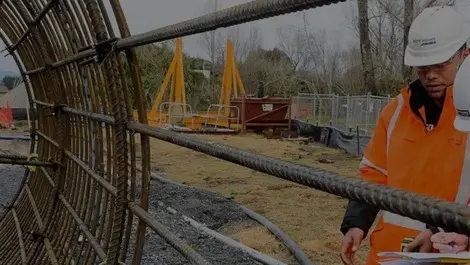
Up to GBP £5,000 a year is on offer for workers seeking tertiary study in workplace health and safety, with mentoring included.
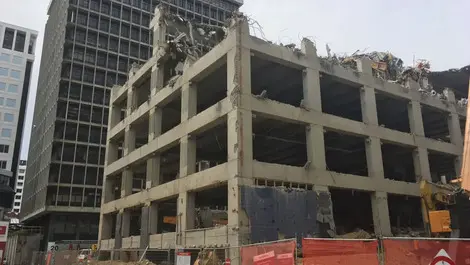
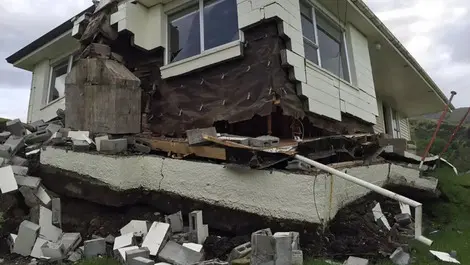
The guide is aimed at councils and engineers needing clearer steps to assess and secure damaged buildings after an emergency.
Low-income households are being left behind by disaster advice that assumes everyone can afford food, water and survival kits.
Residents and businesses face uncertainty as new research finds Auckland's volcanic field can erupt in bursts or stay quiet for millennia.
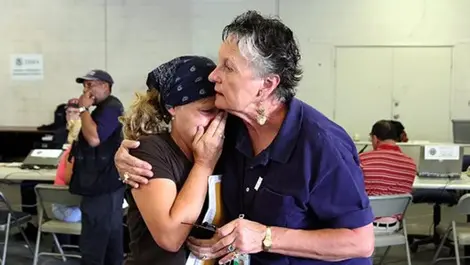
Training aims to equip communities with psychological first aid skills to calm survivors, reduce distress and speed recovery after disasters.
Claims linked to the quake have reached NZD $1.84 billion, with commercial losses accounting for most of the bill and settlements accelerating.
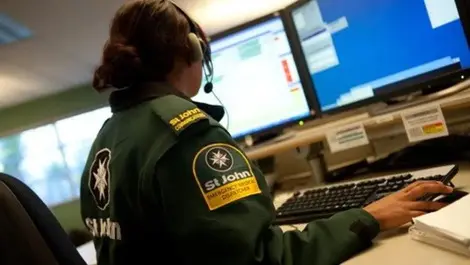
Emergency crews will get a more precise mobile caller location in seconds, after New Zealand launched a new 111 tracing system.
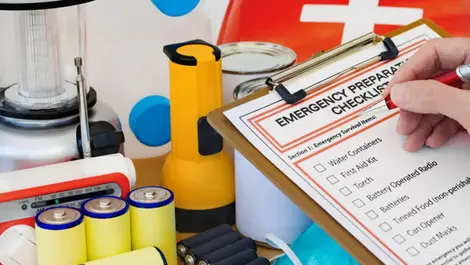
Most pre-made emergency kits sold in New Zealand lack key items or offer poor value, Consumer NZ says after testing seven grab-bags.
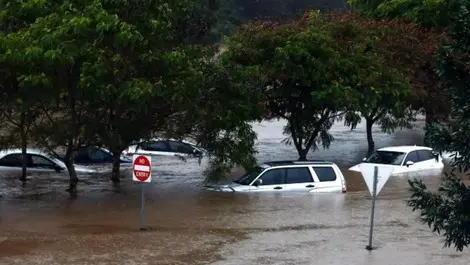
Flood-hit communities are being urged to plan for rising sea levels and more frequent extremes as experts warn current rules lag behind climate risk.
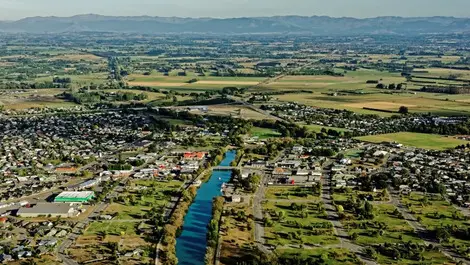
A red-zone recovery plan for quake-hit Waimakariri has won New Zealand’s top planning prize after balancing housing, heritage and infrastructure needs.
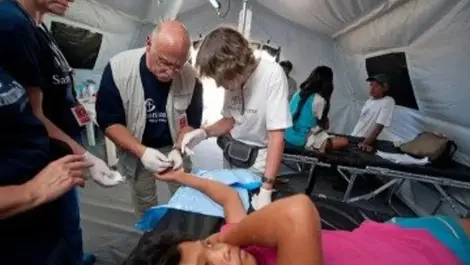
A new guide aims to help doctors and nurses share a common language as disasters push health systems to respond and recover faster.
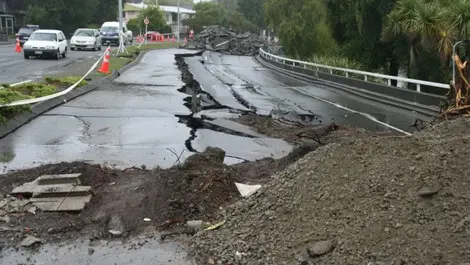
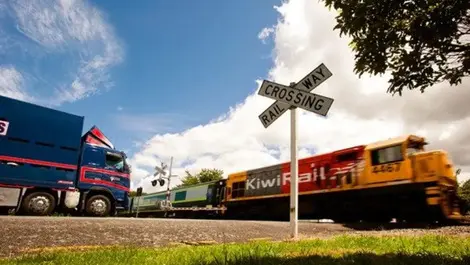
Drivers near the Main North Line are being urged to stay alert as maintenance trains resume between Picton and Christchurch after the Kaikōura earthquake.
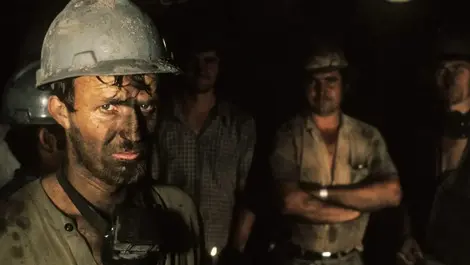
Nearly half of mining safety certificate candidates failed last year as examiners said many lacked the legislative knowledge needed for safe operations.
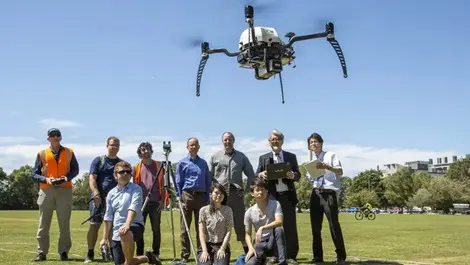
Following earthquakes and tsunamis, the drones could help rescue teams find trapped survivors faster and gather vital health data from body sensors.
Owners of vulnerable Wellington buildings will get help with costly earthquake safety work, with a NZD $3 million fund set up by government.