

US consumers turn to direct mail amid cost pressures
Fri, 2nd Oct 2026 (Today)
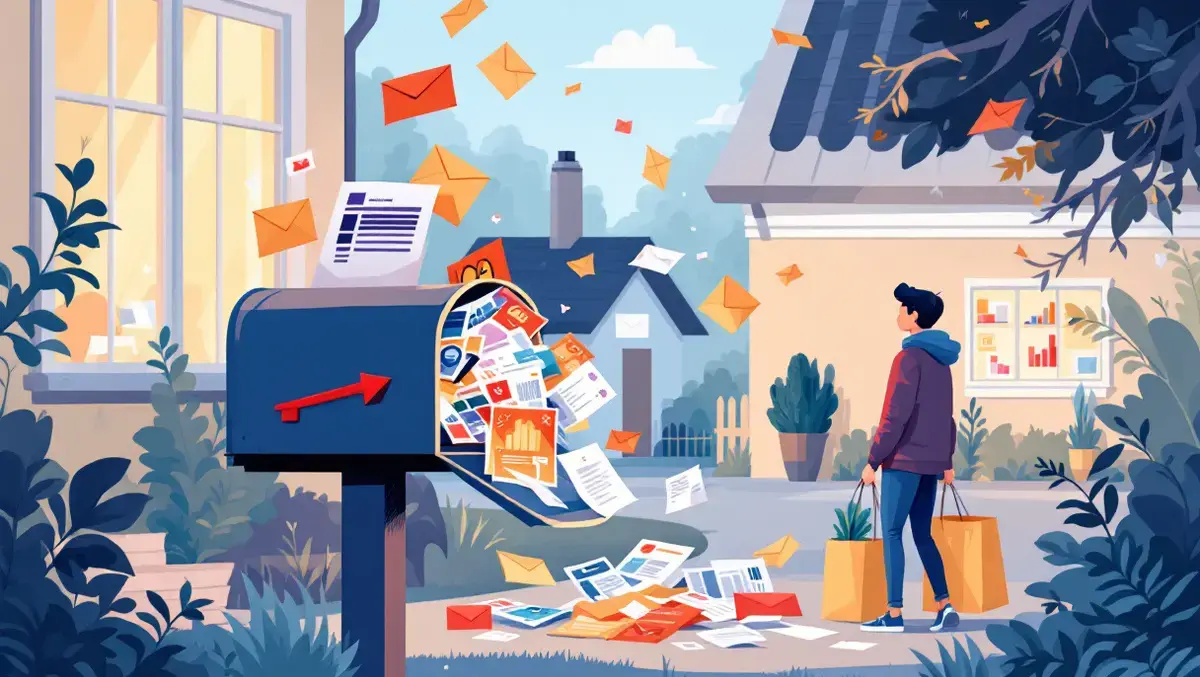
Lob has published new US consumer research on attitudes to direct mail, finding that economic pressure is making people pay closer attention to what arrives in their mailbox.
Based on responses from 2,000 adults, the study found that 68% of consumers had changed what they pay attention to in the mail because of economic conditions. Deals, affordability and useful information were the main drivers of attention, while 84% said higher prices had changed their shopping habits more broadly.
That shift is shaping how marketers assess the role of physical mail as digital advertising faces growing scrutiny. Among respondents, 79% said they had taken a digital action after receiving direct mail, while 65% said they had made a purchase, signed up or become a customer as a result.
The findings suggest direct mail is still prompting activity beyond the letterbox, even as brands continue to focus heavily on online channels. Half of those surveyed said brands that send direct mail seem more credible than those that rely entirely on digital communication.
Trust was another theme in the data. The report found that 34% of consumers considered direct mail more trustworthy than digital communication, up nine percentage points from the previous year's survey.
At the same time, 62% said artificial intelligence had made them more sceptical of digital advertising because they encountered what the survey described as "slop" more often online. Views on AI itself were more nuanced: 82% said they were comfortable with brands using AI to personalise direct mail, although 67% said they were least comfortable with AI being used to generate images of people.
Ryan Ferrier, chief executive officer of Lob, linked consumer caution on spending to changing behaviour around physical mail.
"Consumers are looking more carefully at where they spend their money, and that is changing what earns their attention in the mailbox," Ferrier said. "Direct mail that provides a relevant offer, useful information or clear value gives consumers a reason to take action or revisit it when they are ready to make a decision."
Daily habit
Direct mail remains part of a regular routine for many households. Some 82% of respondents said they collected their mail daily or nearly every day, and 87% said they read it on the same day it arrived.
That regular contact may help explain why brands still see direct mail as a route into digital and in-person spending decisions. Nearly nine in 10 consumers said relevant, personalised mail had influenced them to take action.
Generational differences also emerged. Baby Boomers were more likely to respond to practical shopping prompts such as offers and promotions, while younger consumers placed more emphasis on basic personalisation and life-stage relevance.
Gen Z stood out despite being the cohort most associated with digital media. The survey found that 21% of Gen Z respondents kept a piece of direct mail for more than five days, and 82% said they shared what they received with others.
Urgency backlash
The research also pointed to limits in how brands frame their messages. More than half of respondents, 56%, said useful offers or information mattered more than having their first name printed on a piece of mail.
Attempts to create urgency appeared less effective. The survey found that 45% of consumers would discard mail that used language such as "Final Notice" or "Act Now".
Among consumers under financial strain, the effect of direct mail from unfamiliar brands was more pronounced. Some 55% said they were more likely to buy after receiving direct mail from a new brand, compared with 32% of consumers who were less affected.
That pattern points to a need for mail that helps people compare options and return to information later, including pricing, financing details and relevant offers. The survey was conducted online in July among a nationally representative sample of US adults across age, gender, income and region.